


This Lycian Way for photo enthusiasts itinerary is just a sample
It’s here to give you a feel for what’s possible — every trip can be redesigned around your own pace, timeframe, and interests. Get in touch and tell us what you’re looking for, and we’ll build a personalized itinerary that fits your needs.
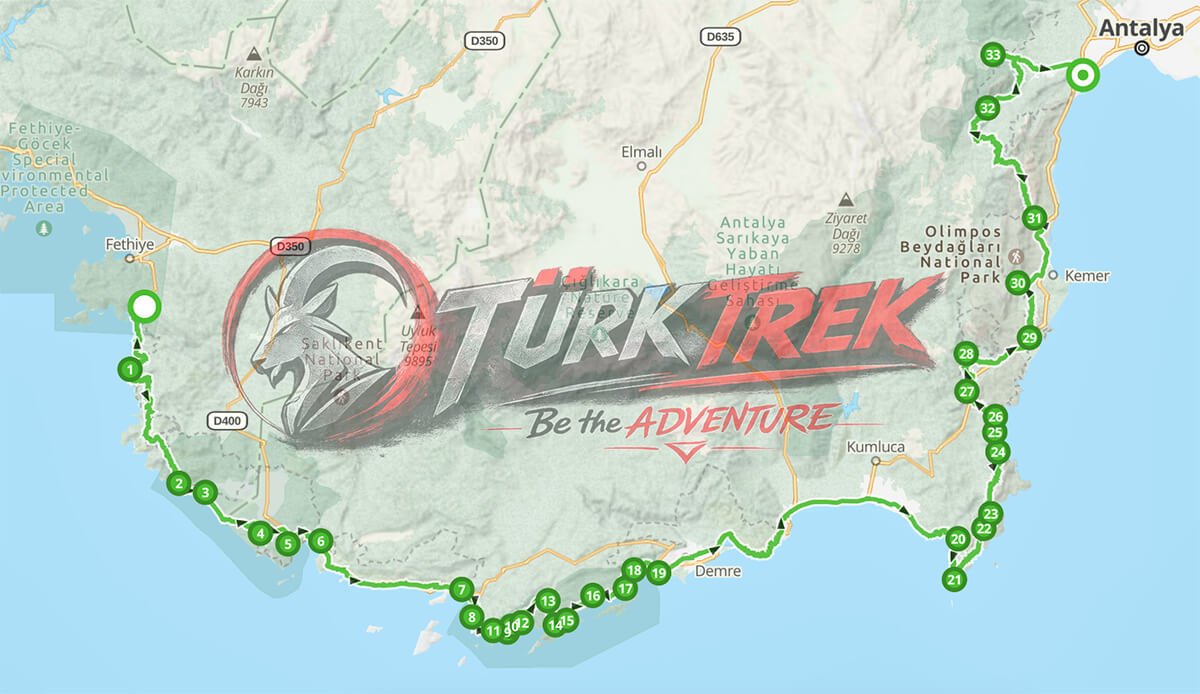
Day | Title | One-line | Flag |
01 | Fethiye Arrival | Blue-hour rock tombs, gulf, fish market. | Light |
02 | Kayaköy → Ölüdeniz | Ghost-town texture, then midday lagoon color. | Split |
03 | Ovacık → Faralya | Ridge trek, paragliders, Butterfly Valley at night. | Season |
04 | Faralya → Xanthos-Letoon → Patara | Trek plus two ruin sites — the longest day. | Long |
05 | Full Day Patara | Ruins, dunes, long exposure — turtle curfew applies. | Season |
06 | Kaputaş → Kaş | Midday turquoise, sunset panorama, harbor lights. | Light |
07 | Kaş → Limanağzı | Recovery day; certified divers branch off. | Split |
08 | Aperlai → Kekova Boat Cruise | Submerged tombs, then a fixed-schedule cruise. | Budget |
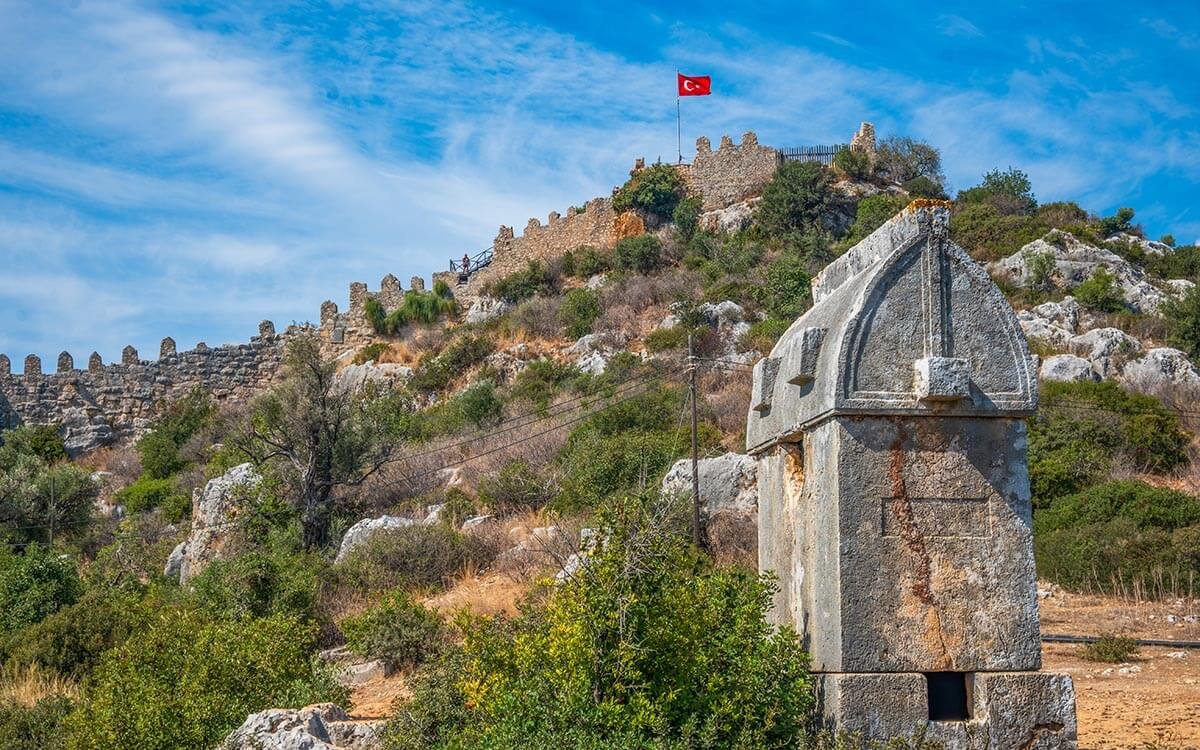
09 | Demre → Myra → Karaöz | Rock tombs, church interior, quiet village. | Split |
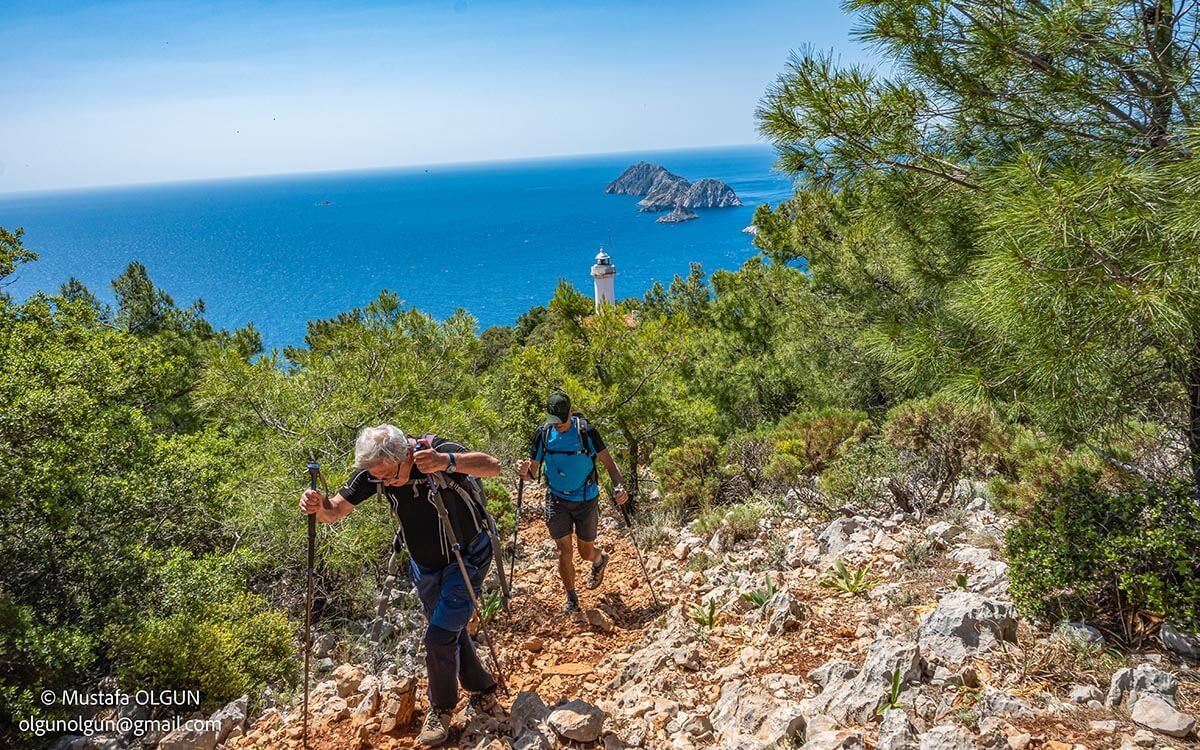
10 | Gelidonya Lighthouse | Exposed coastal out-and-back to the lighthouse. | Exposed |
11 | Olimpos → Çıralı → Chimera | Forest ruins, beach golden hour, night flames. | Night |
12 | Antalya, Kaleiçi | Free time in the old town. | Free |
13 | Bitiş / Başlangıç | Transfer to Antalya airport. |
|
HIGHLIGHTS :
Six moments worth building the trip around — the signature frames that justify the transfers and early starts.
Day | Moment | Why it matters |
Day 01 | Rock Tombs at Blue Hour | Floodlit Lycian tombs above a gulf turning violet — the trip’s first frame, and its gentlest. |
Day 03 | Paragliders Over Ölüdeniz | Ridge-top views of the lagoon’s color with wings drifting through the frame — April through October only. |
Day 05 | Patara’s Long Shadows | Roman ruins, open dunes, and a beach built for long exposure — when the turtle-season curfew allows it. |
Day 06 | Kaputaş at Full Sun | The one shot on the trip that wants harsh midday light instead of soft — turquoise water needs the sun overhead. |
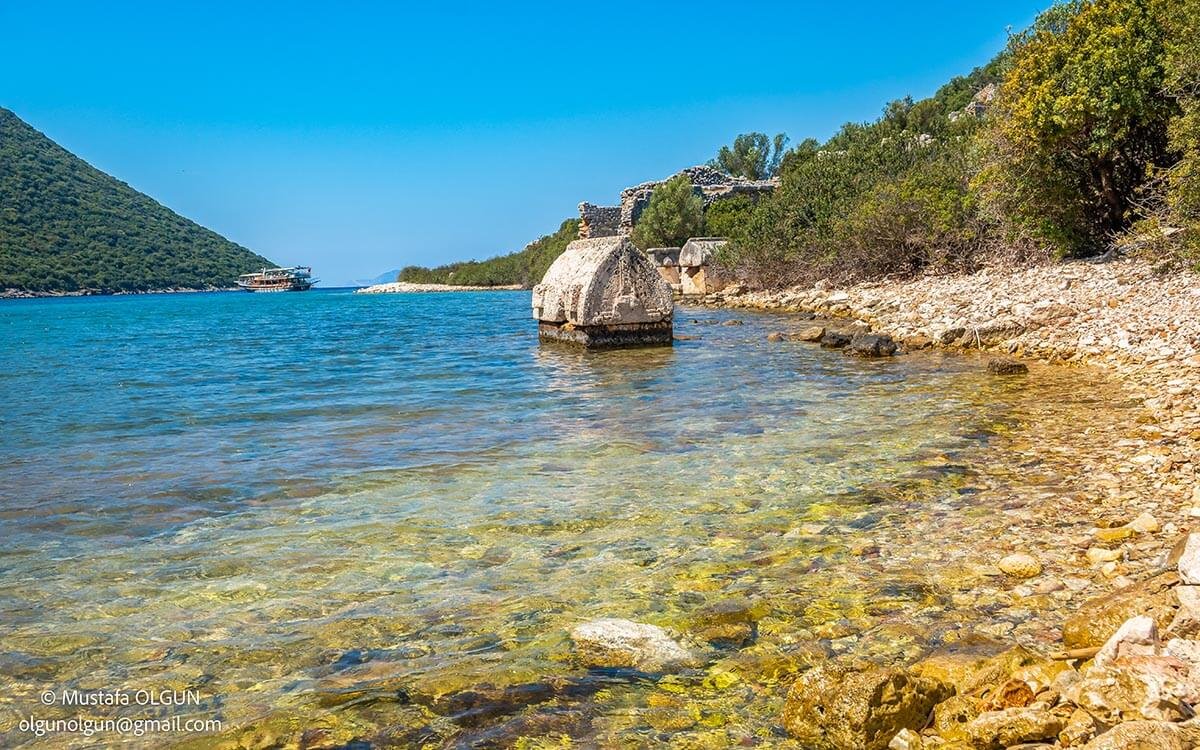
Day 08 | The Sunken City, From the Water | Rock tombs disappearing under clear water, seen from a slow boat drifting past Kekova. |
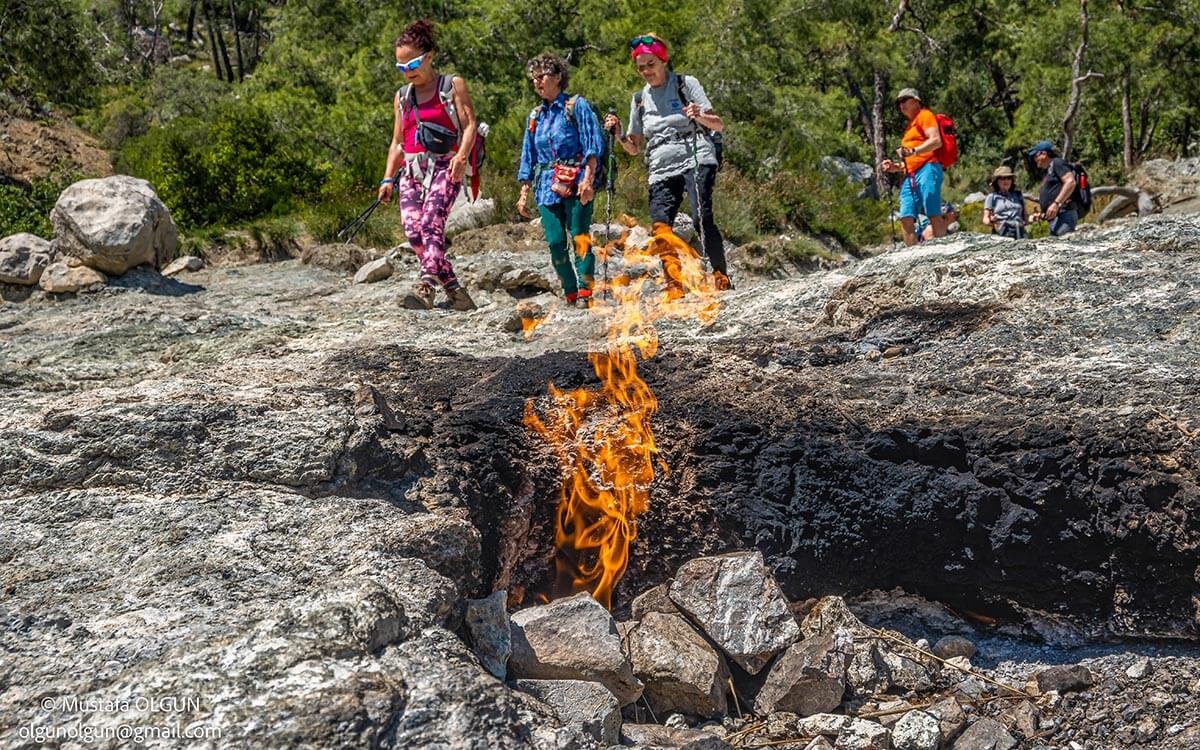
Day 11 | Chimera’s Eternal Flames | A headlamp hike to fire that has burned, unexplained, out of bare rock for millennia. |

Walk Among Lycian Ruins

Epic Coastal Panorama Trails

Discover Turquoise and Pristine Beaches

Experience Authentic Local Villages

Handpicked Comfortable, Unique Stays

Airport Transfers and Luggage Support
Logistics: Airport transfer (Dalaman, ~1–1.5 hrs by road) to Fethiye hotel. Arrival time is the ambiguity — international flights can land any time of day, which determines whether there’s usable light left. Confirm arrival windows before promising evening shooting.
Light & Timing: Night photography of the rock tombs and gulf only works if the group lands early or midday. A late-afternoon arrival leaves no buffer — briefing, check-in, and dinner alone can eat the evening.
Photography Sequence: Rock tombs (floodlit, best right at blue hour before full dark) → gulf viewpoint → fish market, best while still active.
Gear & Technique: Tripod-dependent for the tombs and gulf blue hour; a tether or remote controller removes shutter-press shake, a self-timer works if no one has one. Good first-night skill split: beginners get a 15-minute walkthrough on manual exposure and stability; experienced shooters go straight to bracketing/long exposure.
Practical Constraints: Everyone is jet-lagged and hauling luggage — keep this shoot short (60–90 min). It’s a warm-up, not the trip’s signature night.
Season: Winter sunset is ~17:30, meaning the whole sequence has to move earlier. Summer buys a much longer window but the fish market may wind down regardless of season.
Subject Coverage: Night/blue hour, monuments, local life, cityscape.
Logistics: Short transfer Fethiye→Kayaköy, then Kayaköy→Ölüdeniz, or a connecting walk if the group wants trekking mileage. Decide in advance whether this is a driving day or the first trekking day — it affects pacing for the rest of the trip.
Light & Timing: Kayaköy’s stone ruins want soft morning or late-afternoon side light. Ölüdeniz’s lagoon color peaks with high sun, the opposite need — a genuine sequencing tension.
Photography Sequence: Morning at Kayaköy (soft light, animals) → midday transfer to Ölüdeniz for saturated lagoon color → late afternoon at the beach for local-life portraits if the group lingers.
Gear & Technique: No specialized gear beyond a flash for anyone filling harsh midday shadow on portraits. Good day for composition basics rather than technical exposure work.
Skill Split: Low-stakes split day — some can spend the whole morning working one building from multiple angles while others move faster; regroup at a set time.
Season: Summer midday at Kayaköy is genuinely hot and shadeless — consider flipping the order. Winter light stays soft most of the day, removing this tension.
Subject Coverage: Ruins, local life, animals, lagoon, rural life.
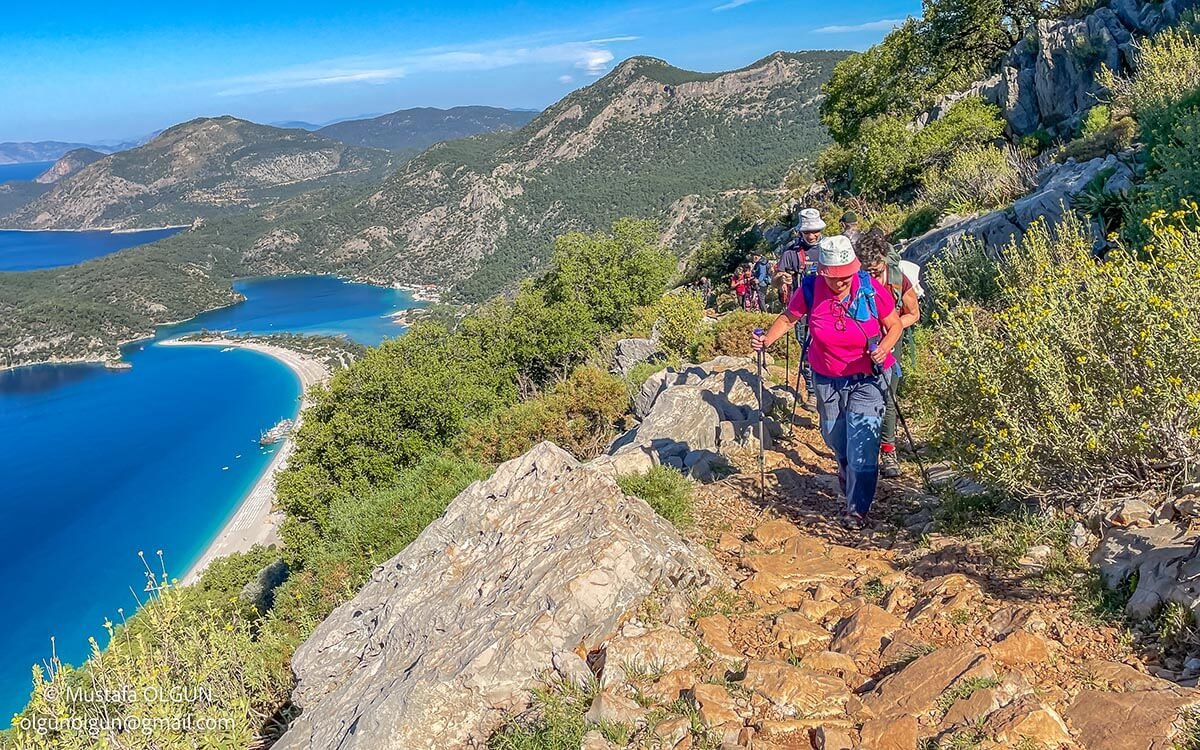
Logistics: Trailhead transfer to Ovacık, then a real trek to Faralya along the ridge above Ölüdeniz. Confirm start time against paragliding launch windows — the two compete for the same morning.
Light & Timing: Paragliders launch mid-morning through afternoon, but only run reliably April–October and even then are weather-dependent — don’t build winter days around this. Butterfly Valley at night needs full darkness and, ideally, no moon — check the lunar calendar.
Photography Sequence: Ridge views of the lagoon and paragliders early-mid trek → rural life and nature inland toward Faralya → arrive with daylight to spare → Butterfly Valley at night as a separate, optional excursion.
Gear & Technique: The day-trek needs no special gear beyond the cleaning kit — expect trail dust. Butterfly Valley at night requires a steep, unlit descent plus tripod and tether/remote for star/long-exposure work — the trip’s first clean advanced-group-splits-off moment.
Practical Constraints: The Faralya–Kabak side trails have real exposure and loose footing — pacing should follow the slowest hiker, not the fastest photographer.
Subject Coverage: Landscape, paragliders, rural life, nature, night/stars.
Logistics: The trip’s most demanding single day — a trek segment followed by two ancient sites and a transfer to Patara. Resolve in advance how much trekking vs. driving; fitting all of it with usable light is tight, especially outside summer.
Light & Timing: Morning trek light suits the seascapes and wildlife. Xanthos and Letoon have little shade — midday visits are flat and uncomfortable; late-afternoon light is better but competes with the drive to Patara before dark. Winter’s short days may force cutting one element.
Photography Sequence: Trek Faralya–Kabak–Alınca in the morning (seascapes, wildlife, waterfall if flowing) → transfer → Xanthos then Letoon → Patara by early evening → beach/night if time remains.
Gear & Technique: Waterfall shots reward a tripod, ND filter, and a CPL to cut glare off wet rock and foliage. Trail dust makes this a day to wipe down gear before it goes back in the bag.
Skill Split: Real fork — the trek is physically demanding after three prior trekking days; some may prefer to skip the full trail and rejoin at Alınca or meet the group at Xanthos.
Practical Constraints: The day most likely to run long. Build in an explicit decision point (e.g. “if we’re not at Alınca by X time, we cut Letoon”).
Subject Coverage: Ruins, wildlife, seascape, waterfall, beach, night.
Logistics: No transfer — a rest-from-transit day built entirely around one location, the easiest day to schedule precisely.
Light & Timing: The trip’s clearest seasonal collision. May–October, Patara’s beach closes roughly 8pm–8am for turtle nesting — right when golden hour peaks. Winter has no curfew and unrestricted sunset/night beach access. In-season, treat “sunset on the beach” as aspirational until confirmed against current regulations.
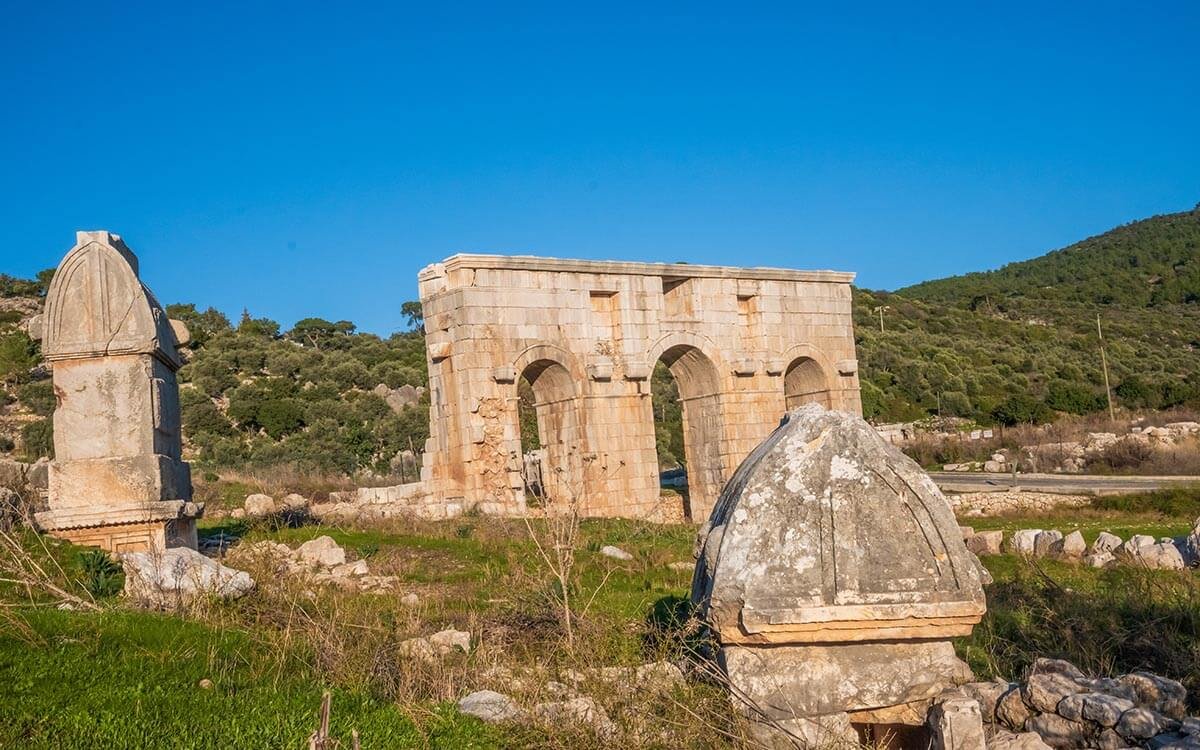
Photography Sequence: Morning at the ruins (amphitheater, colonnaded street, lighthouse) while cool and uncrowded → midday at the dunes for graphic sand texture → golden hour at the beach or dune edge (subject to curfew) → horses typically early-morning or late-day.
Gear & Technique: The day to formally split by technique. Advanced photographers dedicate the sunset window to long-exposure seascapes (ND filter, CPL, tripod, tether/remote) and dune movement work. Beginners get a compressed demo, then shoot conventionally. Blowing sand is hard on open lens mounts — check gear before repacking.
Practical Constraints: Very little shade across the ruins and dunes — a real heat and sun-exposure risk in summer.
Subject Coverage: Ruins, amphitheater, lighthouse, beach, long exposure, dunes, horses, sunset.
Logistics: Drive Patara→Kaputaş Beach (short stop)→Kaş, then a hike to the panorama point above town, then free time in Kaş. Allow more time than planned at Kaputaş — it’s an easy stop to underestimate.
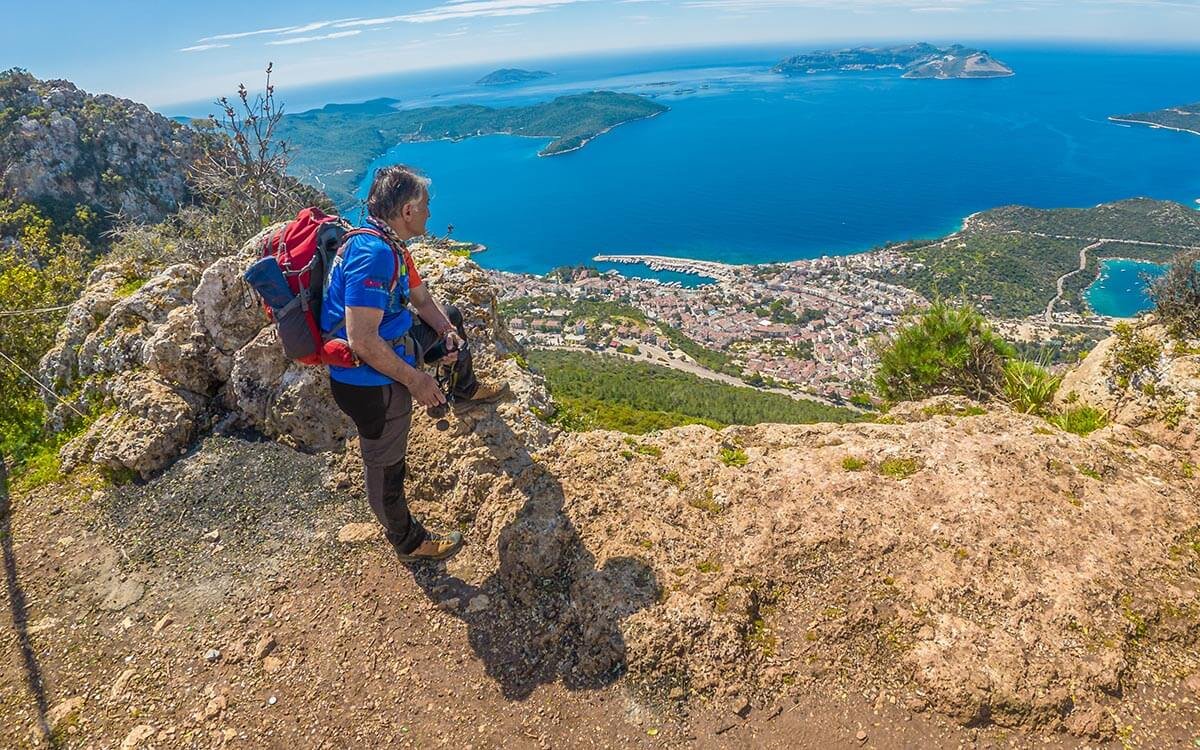
Light & Timing: Kaputaş’s turquoise color is a high-sun, midday phenomenon — shooting it in soft light loses the effect, contrary to typical instinct. The panorama hike works well toward sunset; the harbor then carries into blue hour and night lights without a further transfer.
Photography Sequence: Kaputaş at midday → continue to Kaş → panorama hike timed to finish near sunset → descend into town for harbor, sailboats, and night lights.
Gear & Technique: A CPL genuinely changes the Kaputaş shot — it’s what reveals the color rather than a glare-covered surface. Standard sunset/night handling for the harbor: tripod plus tether/remote for a clean blue-hour exposure.
Skill Split: The panorama hike has real elevation gain in summer heat — offer a lower viewpoint or later, cooler ascent for anyone skipping the full climb.
Practical Constraints: Kaputaş’s stairway to the beach is steep and exposed; the roadside viewpoint alone still delivers the classic shot.
Season: Kaputaş’s color is best outside peak summer crowding and reasonably good spring through fall; winter light and rougher seas mute it.
Subject Coverage: Seascape, panorama, cityscape, ruins, harbor, sailboats, night lights.
Logistics: Short transfer or boat/walk to Limanağzı, a quiet bay near Kaş — the itinerary’s built-in recovery day after six days of movement.
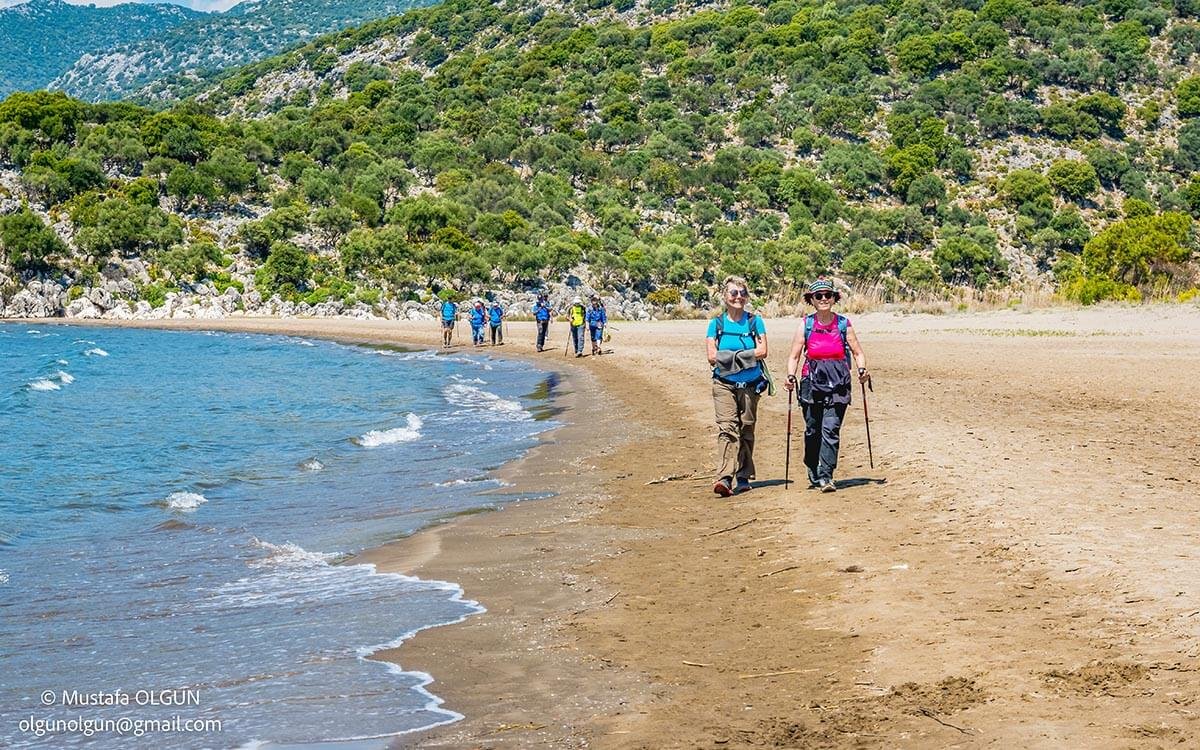
Light & Timing: Relaxed by design. Morning suits climbers/hikers on the cliffs; midday works fine for the beach given the bay’s sheltered water.
Photography Sequence: Loose, not sequenced — beach/seascape base shots first, then opportunistic hiker/climber portraits, then underwater if anyone is set up for it.
Gear & Technique: The itinerary’s clearest hard technical fork. Underwater/scuba requires certification and dedicated housing — structure as opt-in for certified/equipped photographers only, with topside seascape and surface fish shots (CPL) as the default for everyone else. Salt spray means a cleaning kit at day’s end.
Practical Constraints: Water access and diving/snorkeling logistics need arranging in advance — not a walk-up activity.
Season: Water clarity/comfort for underwater work is best June–September; outside that window, lean the day fully into topside seascape and rest.
Subject Coverage: Hikers, climbers, beach, seascape, underwater/fish.
Logistics: Transfer to Sahil Kılınçlı, visit Aperlai (submerged rock tombs), then a boat cruise past the Sunken City near Kekova and Kaleköy. Hard dependency: boat departure is fixed by the operator, so Aperlai has to end with the boat, not the reverse.
Light & Timing: Aperlai’s submerged tombs read best with calm water and a high sun angle — midday to early afternoon, opposite the usual advice. The cruise’s light depends entirely on its scheduled slot.
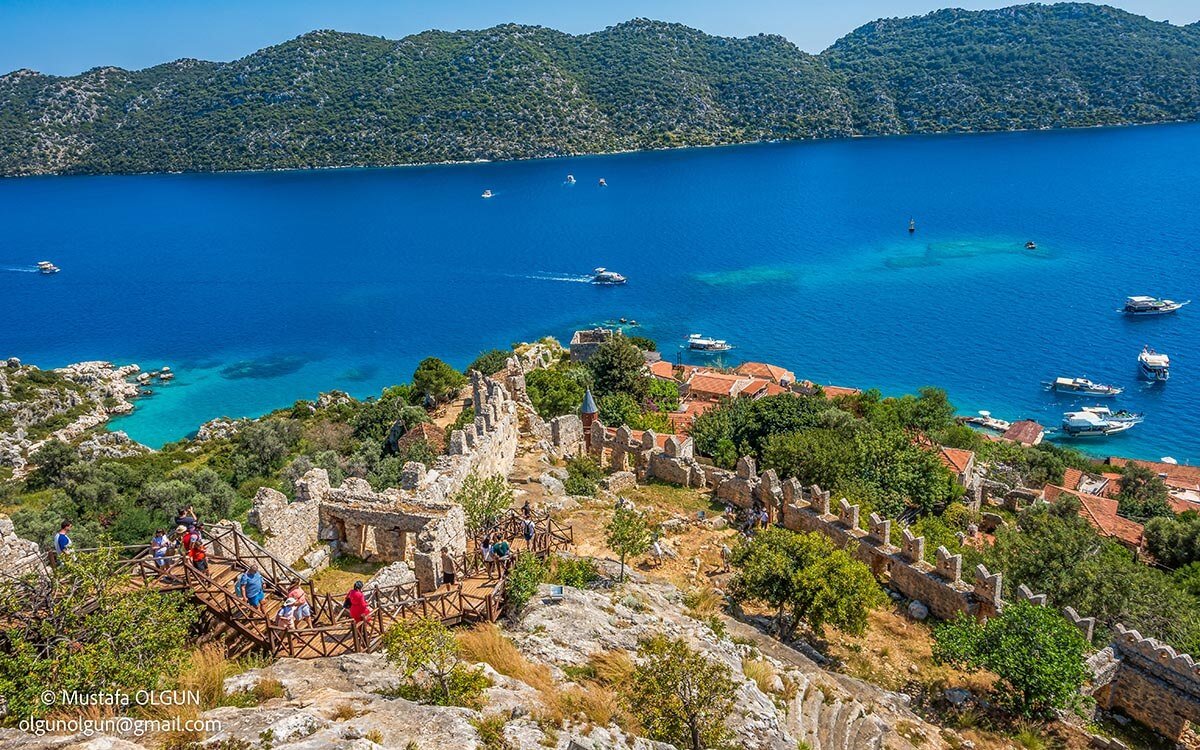
Photography Sequence: Aperlai first (patience for boat wake to settle, polarizer angles) → boat boarding → Sunken City passages from the water → Kaleköy for elevated bay views.
Gear & Technique: A CPL is the most useful item all day — both for the submerged tombs and cutting glare from the boat. Boat-based shooting favors fast shutter speed / stabilization over tripod technique, which won’t work on a moving deck; a monopod is a reasonable middle ground. Salt spray means a wipe-down at day’s end.
Practical Constraints: The boat cruise is a fixed-group activity — unlike most of the trip, this day doesn’t allow splitting by pace; everyone is on the same schedule.
Season: Cruises run nearly year-round but are far more reliable April–October; winter cruises can be cancelled on short notice — build in slack.
Subject Coverage: Submerged ruins, boats, nature, historical sites, seascape.
Logistics: Transfer-heavy day connecting three stops — Demre town, Myra ruins/St. Nicholas Church, and a coastal village. Real decisions about dwell time at each.
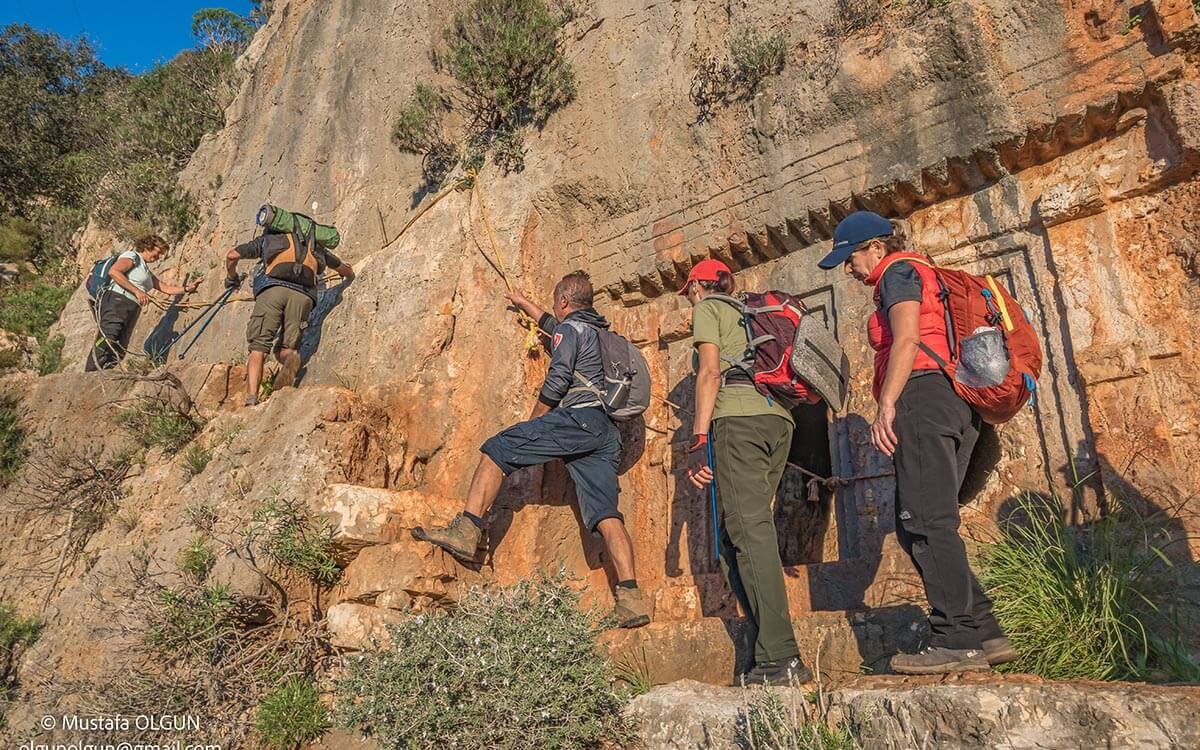
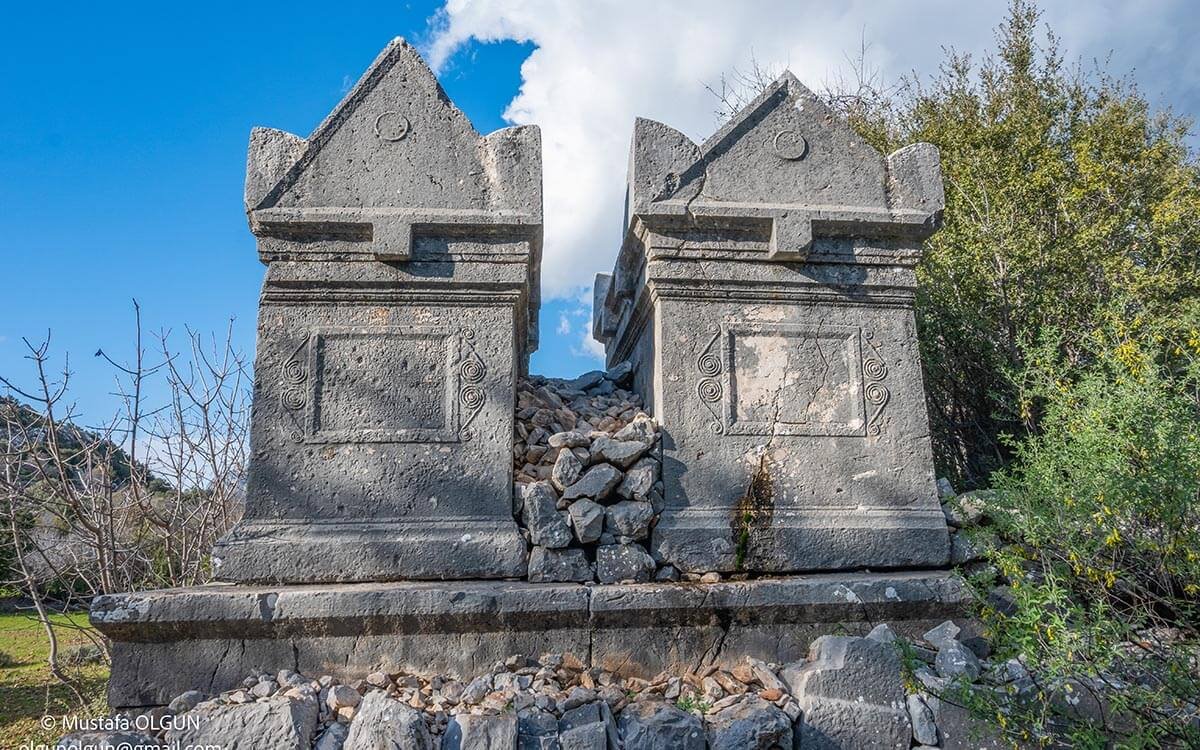
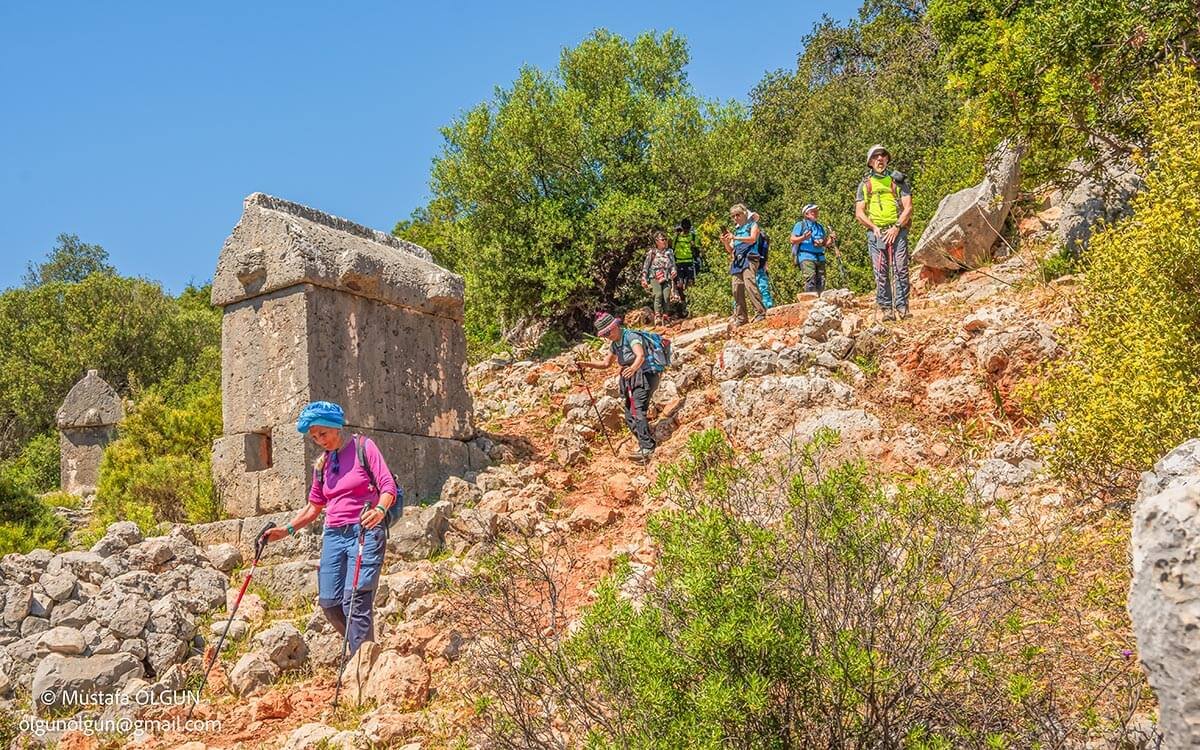
Light & Timing: Myra’s rock tombs want side light (morning or late afternoon) to reveal the carved relief — flat midday light reduces them to silhouette. The church interior is less light-dependent and absorbs a midday visit better.
Photography Sequence: Morning at Myra rock tombs (best light, fewer crowds) → St. Nicholas Church (flexible timing) → afternoon/evening at Karaöz or Mavikent for a quiet wind-down.
Gear & Technique: Standard architectural technique — level horizons, correcting converging verticals from below. A flash may help fill the church interior if photography and flash are permitted on-site.
Skill Split: Low-friction day for splitting by pace — three distinct stops let faster photographers push ahead and regroup at transfer points.
Season: No major seasonal access issue; the main factor is daylight length — winter’s short days may force trimming time at the coastal village.
Subject Coverage: Ruins, rock tombs, monuments, rural/village life.
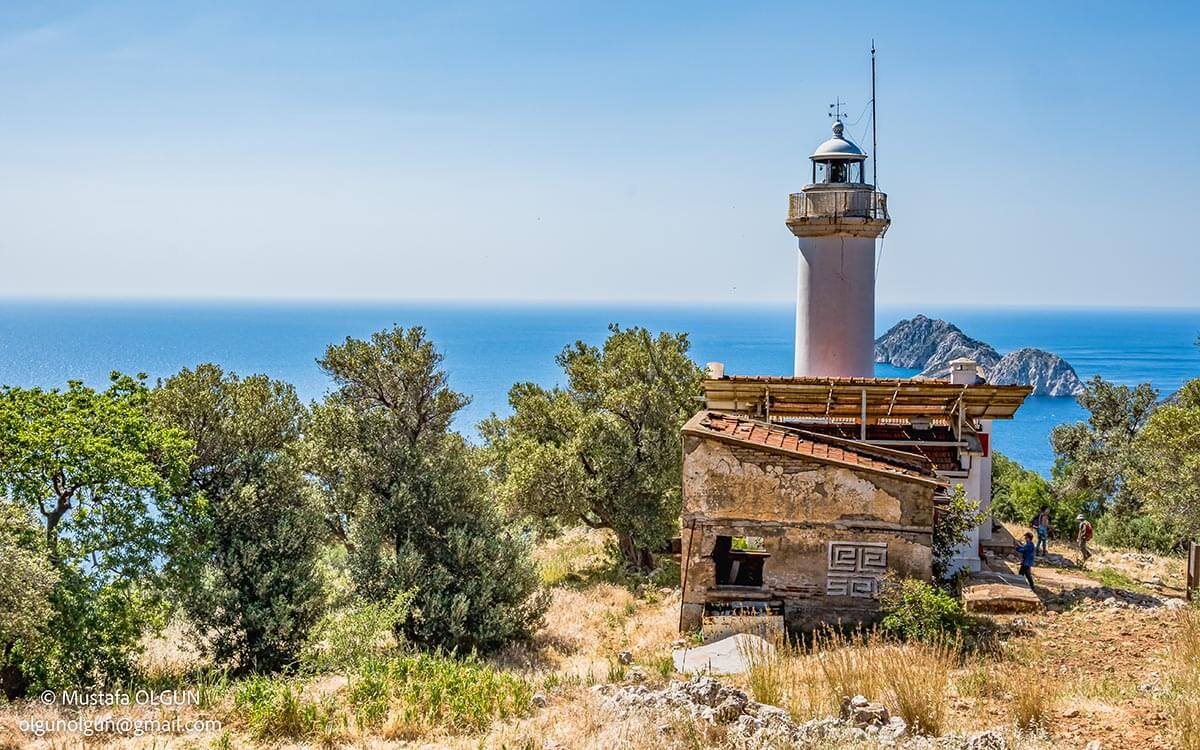
Logistics: Transfer into Beydağları National Park, then a hike out to Gelidonya Lighthouse — a genuine wilderness day, different logistics texture from the town-to-town days around it.
Light & Timing: The lighthouse and seascape suit directional early or late light; the fully exposed headland makes a summer midday start genuinely risky, not just photographically flat. In winter the same exposure becomes a wind/storm risk — check forecasts.
Photography Sequence: Early start to reach the lighthouse before midday heat/light buildup → seascapes and structure shots → people/hiking shots on the return leg.
Gear & Technique: A CPL, and for anyone chasing motion in the water, an ND filter plus tripod or monopod. Otherwise this is about pace management — set a clear turnaround time. Trail dust argues for a mid-hike gear check.
Skill Split: The full out-and-back is a real physical commitment; offer a partway turnaround point that still delivers strong coastal views.
Practical Constraints: Limited water/shade along the trail — pack your own water.
Subject Coverage: Lighthouse, seascape, nature, hikers.
Logistics: Transfer to Olimpos (ruins + beach), continue to Çıralı, then an evening excursion up to the Chimera eternal flames — a short hike in the dark needing headlamps and a defined return plan.
Light & Timing: Olimpos ruins are forest-shaded, more forgiving of midday light than most open-air sites. The flames are the day’s one truly fixed shot: full darkness needed, meaning a specific evening departure timed after sunset.
Photography Sequence: Olimpos ruins and beach through the afternoon → Çıralı beach at golden hour → evening Chimera hike timed to arrive as darkness falls.
Gear & Technique: The flames are a natural-light night subject — a tripod and tether/remote are essential, not optional, since hand-held won’t hold at these shutter speeds. Camp-life shots around Olimpos/Çıralı are low-technique for beginners, while advanced shooters dial in flame exposure and star/long-exposure combinations. Volcanic dust is worth a gear wipe-down afterward.
Practical Constraints: The Chimera hike is on uneven volcanic ground in the dark — headlamps mandatory, and a real trip-and-fall risk if anyone is focused on a viewfinder while walking.
Season: The flames burn year-round — one of the few subjects with no seasonal access issue. A winter evening at altitude will be genuinely cold for a static night shoot.
Subject Coverage: Ruins, beach, camp life, rural life, flames, night/long exposure.
Logistics: Transfer to Antalya, then free time in the old town (Kaleiçi). As the last full day, it’s the one most likely to be shortened by trip fatigue — plan it as flexible.
Light & Timing: Kaleiçi rewards both ends of the day — quieter streets and market life in the morning, harbor lights and nightlife energy in the evening. Midday suits the museum, an indoor, light-independent subject.
Photography Sequence: Morning street-life and market wander → midday museum → evening harbor, boats, and Kaleiçi nightlife.
Gear & Technique: Free time by design — the trip’s best day for beginners to shoot unsupervised and advanced photographers to pursue personal projects. A flash suits evening portraits; a tripod plus tether/remote for a clean night harbor shot. Good last chance to run the cleaning kit before packing.
Skill Split: Structurally already split — agree a rough dinner/harbor meeting point rather than trying to reconverge for daytime shooting.
Season: Nightlife and outdoor dining energy is much more visible spring through fall; a winter evening here will be quieter.
Subject Coverage: City life, ruins, museums, boats, night life, local culture.
Logistics: Transfer to Antalya airport. No photography programmed — confirm flight times early enough to know whether any last dawn shooting in Kaleiçi is feasible before the transfer.
* Airport Transfers – * Luggage Transfer
* Entrance Fees – * Trekking Guidance

Let’s make your
Lycian Way Experience
Unforgettable