If you’ve ever stared at a map of Turkey and wondered what’s hiding in that green, mountainous sliver along the Black Sea coast — this is it. The Kaçkar Mountains stretch through Rize and Artvin provinces in the country’s far northeast, and honestly, they don’t get nearly enough attention. Most people planning a Turkey trip head straight for Cappadocia or the Aegean coast. Meanwhile, this range sits there quietly holding some of the best high-altitude trekking in the entire country.
The Kaçkars are part of the larger Pontic Mountain chain, running roughly parallel to the coastline. But calling them “part of a range” undersells what makes them special. Glacial lakes. Jagged granite peaks. Meadows that explode with wildflowers every summer. It’s the kind of place that makes you understand why mountaineers keep coming back year after year.
What the Landscape Actually Looks Like
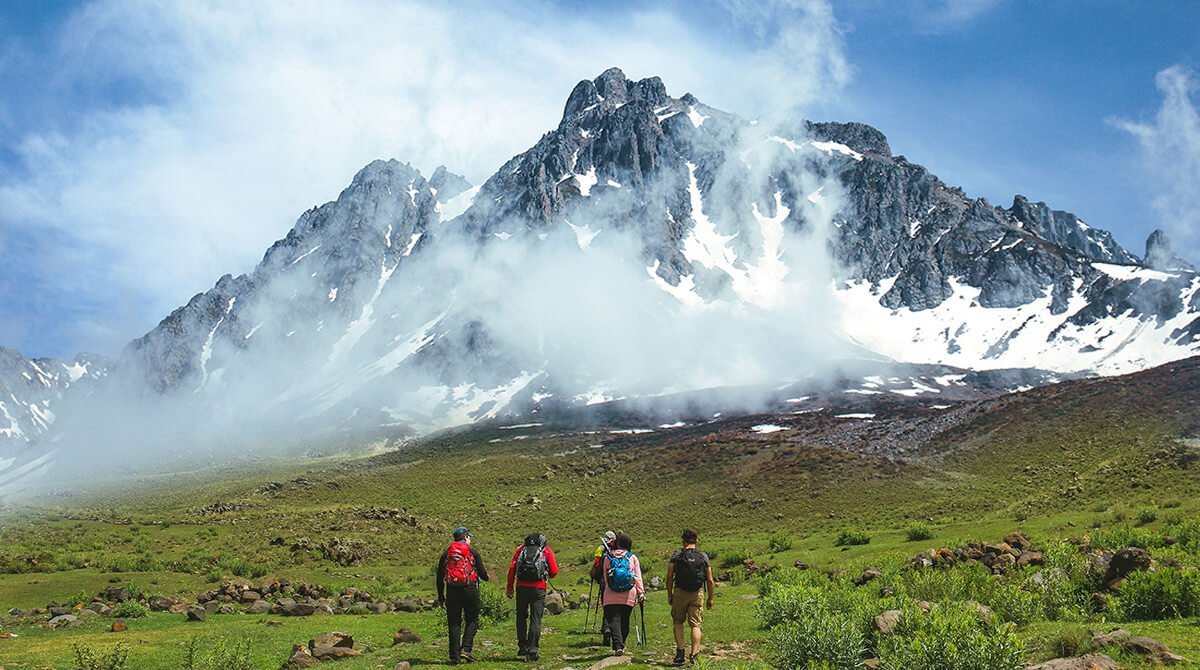
Here’s the thing about the Kaçkars — they’re not uniform. Head west and you’re looking at slopes that average above 2,000 meters, already impressive by most standards. But push east, into what’s now protected as Kaçkar Mountains National Park, and the terrain gets serious fast. Elevations climb past 3,500 meters, topping out at Kaçkar Peak (also called Kavran) at 3,932 meters. That’s the roof of the range, and reaching it isn’t something you do on a whim.
A few things define the terrain here:
Glacial fingerprints everywhere. Deep valleys carved by ancient ice, piles of moraine debris, and hundreds — literally hundreds — of alpine lakes tucked into high basins. Some are barely bigger than a swimming pool. Others stretch wide enough to reflect the entire ridgeline above them.
Rock that rewards climbers. Granite, andesite, diorite — the geology here is varied enough that you’ll find gentle day-hike terrain right next to knife-edge ridges that demand real technical skill. There’s something for casual hikers and something that’ll humble experienced mountaineers, sometimes within the same valley.
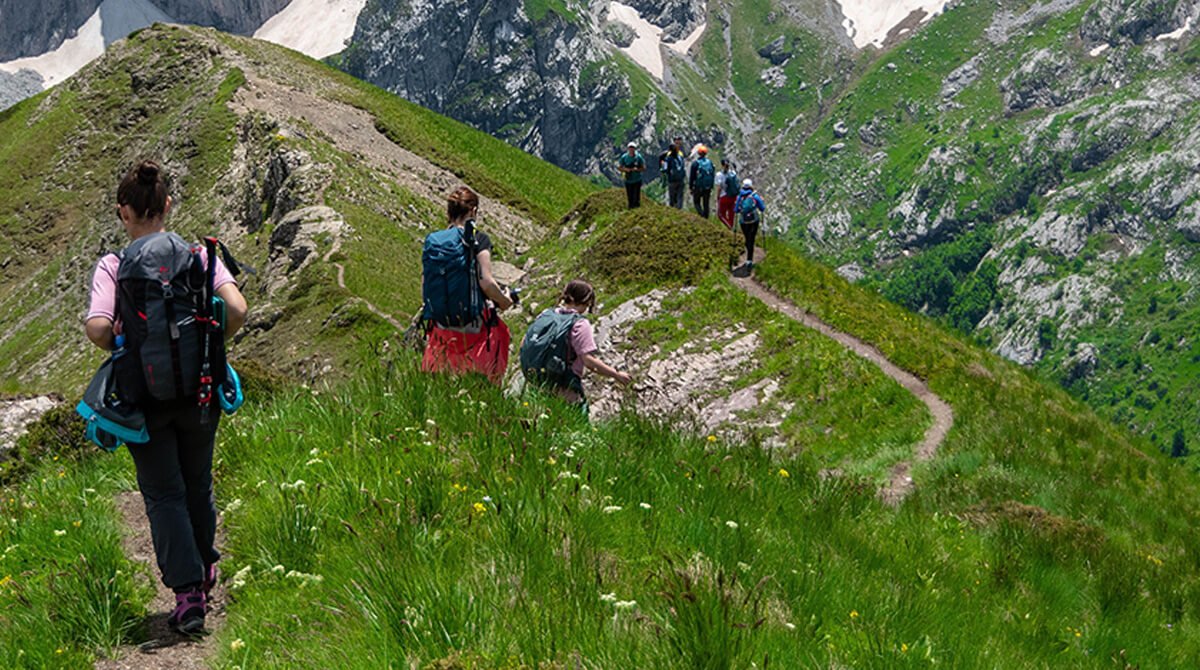
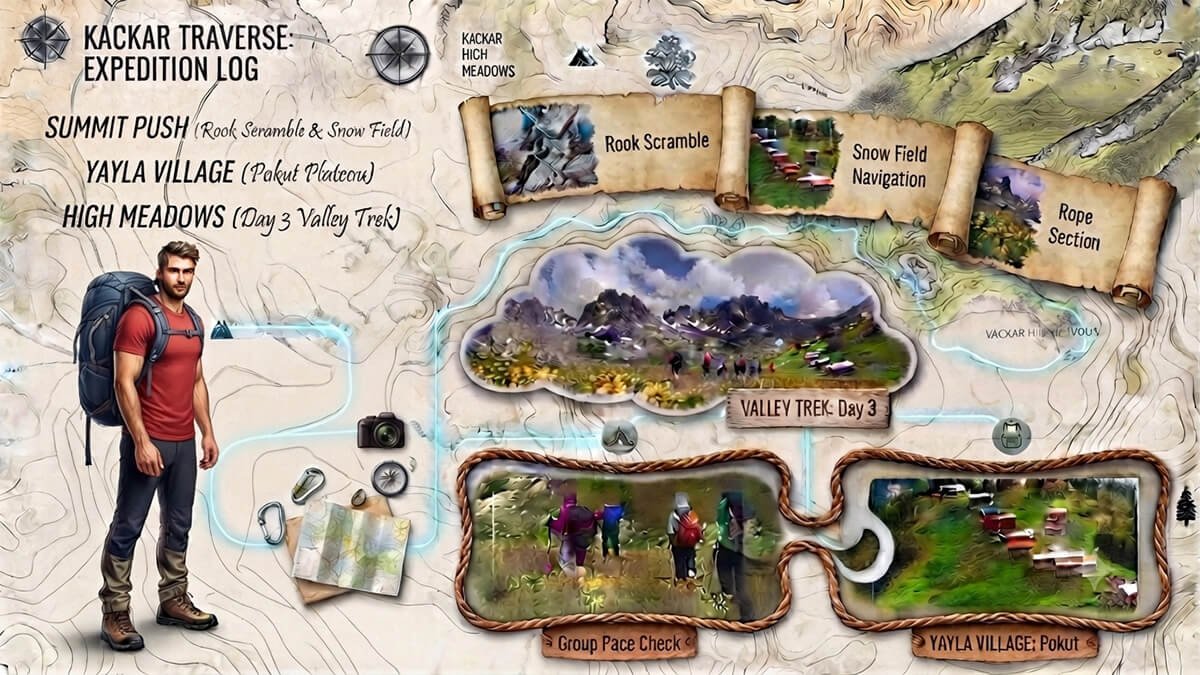
The yaylas. These highland pastures deserve their own paragraph, honestly. Yaylas aren’t just scenic backdrops — they’re living, working landscapes where semi-nomadic herders bring livestock every summer. Wooden huts dot the meadows, wildflowers carpet the ground, and for a few months each year these places buzz with a kind of pastoral life that’s mostly vanished elsewhere in Europe.
Why Ecologists Get Excited About This Place
The Kaçkars rank among the world’s recognized biodiversity hotspots, and it’s not marketing hype. The range packs in an unusual density of endemic species — plants and animals found nowhere else on the planet.
Walk through the forest zones and you’ll pass old-growth pine, oak, and cedar before the trees thin out into alpine meadow. That habitat range supports wildlife you don’t expect to find so close to the Black Sea: brown bears roam here, along with bezoar ibex (a wild goat species), wolves, and even lynx. Red deer move through the lower forests, and if you’re into birdwatching, the raptors circling above the ridgelines alone are worth the trip.
Planning a Trip? Here’s Where to Start
Adventure tourism in the Kaçkars covers a lot of ground — trekking, mountaineering, birdwatching, photography, you name it. But most trips funnel through a couple of key access points.
Ayder and Çamlıhemşin function as the region’s basecamps. These villages have traditional wooden guesthouses, thermal hot springs (a genuinely great way to recover after a multi-day trek), and enough local culture to make the logistics side of your trip feel like part of the adventure rather than a chore.
The long-distance routes are where things get interesting. Several trails cross the entire range, connecting the humid, green Black Sea coast to the dry, high plateaus of eastern Anatolia. It’s a strange and beautiful contrast to walk through in a single trek — rainforest-like slopes giving way to stark alpine terrain within a few days.
Beyond the main summit, climbers with real experience often target Verçenik (3,710 m) and Altıparmak (3,480 m). Neither is a casual outing. Both demand proper preparation, the right gear, and ideally a guide who knows the terrain — weather here can shift fast, even in midsummer.
Bottom Line
The Kaçkar Mountains aren’t polished for mass tourism, and that’s sort of the point. You won’t find crowds jostling for photo spots. What you will find is genuine wilderness, working highland communities, and terrain that ranges from a pleasant day hike to a serious mountaineering objective — all within one relatively compact region of northeastern Turkey. If high-altitude trekking, alpine lakes, and untouched biodiversity sound appealing, this corner of the country deserves a spot on your list.