
Table of Contents
The Kackars Will Ruin Other Mountains For You
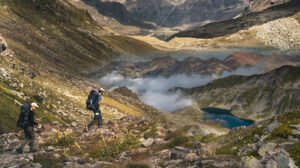
I’ve been chasing switchbacks in the Kackar range for going on eight years now, and I still can’t give a straight answer when people ask what it’s like. Part of that is honest confusion — this corner of Turkey doesn’t match the postcard version of the country most people carry around in their heads. There’s no Mediterranean scrub here, no whitewashed villages. Instead you get glacial lakes the color of unpolished jade, wooden highland houses (yaylas) clinging to slopes at 2,500 meters, and fog that rolls in fast enough to swallow a ridge line while you’re still eating lunch.
Kackar Mountains trekking isn’t a niche pursuit anymore, not really. But it’s still nowhere near as crowded as it should be given what’s on offer, and that gap between quality and traffic is exactly why I keep coming back and why I keep telling people to go.
Where the Black Sea Meets the Caucasus
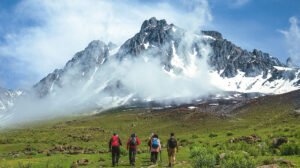
The Kackars sit inland from Turkey’s northeastern Black Sea coast, technically the western tail of the Caucasus range, straddling Rize and Artvin provinces. You could spend a week just doing Black Sea coast hiking along the lower valleys — tea terraces, stone bridges, the smell of woodsmoke and fresh bread from village ovens — and never touch snow. Or you could push up past the tree line into genuine alpine terrain, where Kackar Dagi itself tops out at 3,932 meters and the ridgeline views stretch toward Georgia on a clear day.
That range, low valley to high summit within a single trekking region, is what makes this place unusual. Most Turkish highlands adventure itineraries ask you to choose between coast and mountain. Here you get both without changing regions, sometimes without changing days.
The classic multi-day route runs through the Upper Kackar loop — starting from Ayder, a hot-spring town that’s become the unofficial base camp for the whole range, up through Kavron and Samistal yaylas, over the Okuzyurdu or Verçenik passes depending on snow conditions, and down into the Elevit or Yukarı Kavron valleys. Figure five to seven days if you’re doing it properly, with rest built in, because altitude and terrain both bite harder than the elevation profile suggests.
Trail Conditions and the Honest Timing Question
Anyone selling you a June trek in the high Kackars is either inexperienced or not paying attention. Snow lingers on the passes well into late June most years, and I’ve turned back from Tirevit Pass in early July before because the traverse was still holding a dangerous cornice. Mid-July through early September is your real window. August is peak — warm days, cold nights, and the yaylas fully populated with herders who’ve moved their animals up for summer grazing, which honestly is half the reason to come.
By late September the highland families start packing down to the coast, the huts close, and the first real cold snaps arrive. I’ve trekked in early October and it’s gorgeous in an autumn-light kind of way, but you’re gambling on weather windows and most facilities are shut.
Trail marking has improved considerably over the past decade — cairns and red-white waymarks on the main routes now, where a few years back you were reading terrain and asking shepherds for directions. That said, fog rolls in without much warning even in high summer, and a GPS track or a guide who knows the passes is not optional gear, it’s just good sense.
The Culture Part Nobody Mentions Enough
What sets Caucasus trekking routes in this region apart from, say, the Alps or the Pyrenees, isn’t only the geology — it’s that the highlands are still working landscapes. Families migrate up from coastal villages every summer, the same way they have for generations, to graze cattle and make fresh butter and kaymak in stone huts you’ll walk right past. You’ll get offered tea constantly. You’ll probably get offered more tea than you can physically drink. Learn a little Turkish, or at minimum a few Laz or Hemshin phrases if you’re in Hemshin territory around Ayder, and doors open in a way that guidebooks can’t replicate.
This isn’t performative “authentic culture” tourism dressed up for visitors, either — it existed before trekkers showed up and it’ll continue after. You’re a guest in someone’s working summer pasture, and treating it that way matters.
Getting There and Getting Ready
 Fly into Trabzon, then it’s roughly a two-and-a-half to three-hour drive southeast to Ayder via Rize. Dolmuş minibuses run the route from Rize’s otogar if you’re not renting a car, though a rental gives you flexibility for the smaller villages. From Ayder, most trekkers arrange local guides for the high routes — genuinely recommended unless you’ve got serious alpine navigation experience and speak enough Turkish to problem-solve with locals if plans change.
Pack for four seasons in one day. I mean that literally — sun, rain, and near-freezing wind can all show up between breakfast and dinner on the same ridge. Good waterproof boots, a real rain shell, and a sleeping bag rated colder than you think you need are the three things I see people underpack most.
If you’re mapping out a north Black Sea trekking itinerary that combines coastal towns like Rize and Çamlihemşin with the high Kackar routes, give yourself ten to fourteen days minimum. Rushing this range means you skip exactly the parts — the long lunches with shepherds, the detour to a lake nobody photographs — that make it worth the flight in the first place.
Planning your own trip?
A handful of small operators based in Rize and Ayder run guided multi-day treks through the peak season, and booking two to three months ahead for August dates isn’t overkill anymore — word’s gotten out. Reach out to a local trekking outfitter directly rather than a generic international booking platform; you’ll get better routes and better prices, and the money stays where it should.



Recent Comments